For a long time, people diagnosed with dry age-related macular degeneration were often told there was little that could be done beyond monitoring the condition and adapting to gradual vision changes. Today, many specialists are placing far greater emphasis on dry AMD treatment strategies that focus on earlier monitoring, preserving functional vision for longer, and identifying progression before more serious retinal damage develops. That outlook has started to shift. While there is still no simple cure, specialists are increasingly focusing on the importance of acting earlier rather than waiting for symptoms to become severe.
The reason is straightforward. Dry AMD usually develops slowly, sometimes over many years. During that time, subtle damage can continue building within the retina even before major sight loss becomes obvious. By the time central vision problems begin interfering with reading, driving, or recognising faces, significant retinal damage may already have occurred.
Because of this, early intervention has become one of the most important themes in modern eye care discussions.
Specialists now place greater emphasis on monitoring progression closely and identifying risk factors sooner. In many cases, patients may not even realise changes are taking place initially. Vision can remain relatively functional while the brain quietly compensates for weaker areas within the central field of sight.
This creates a challenge because people often delay seeking help. Blurred words, mild distortion, difficulty adapting to low light, or trouble focusing on fine detail may simply be dismissed as normal ageing.
However, retinal specialists increasingly understand that these early stages can provide an important opportunity to slow progression before more serious deterioration develops.
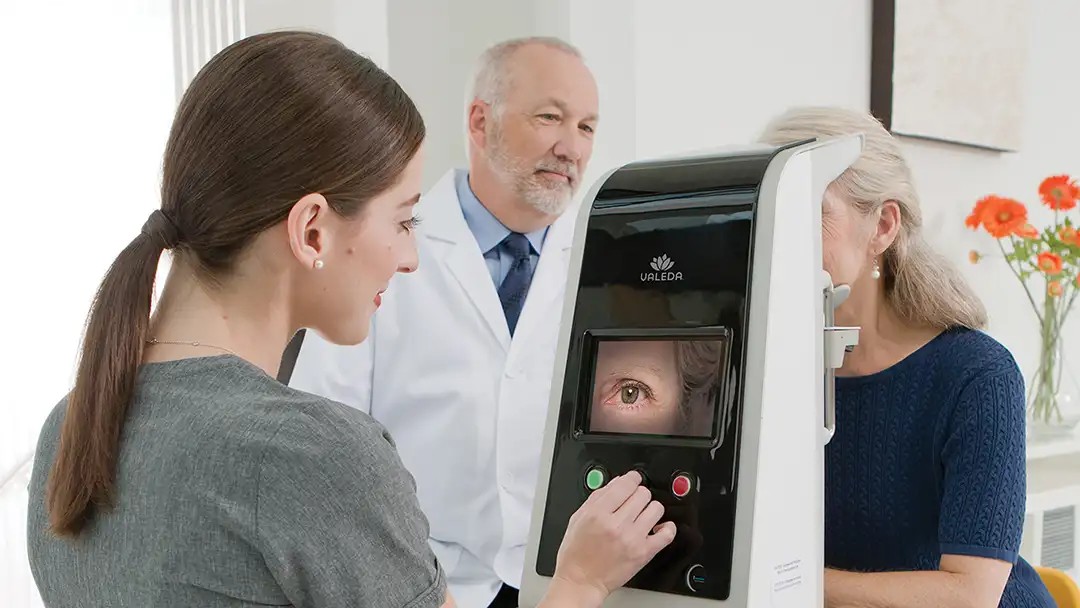
Technology has played a major role in this shift. Modern retinal scanning equipment allows clinicians to detect extremely small structural changes within the eye. These scans can reveal deposits, thinning, or areas of retinal stress long before severe visual symptoms appear.
That level of detail has changed how doctors monitor patients over time. Instead of relying only on standard eyesight tests, specialists can now track subtle biological changes more accurately and identify progression earlier.
At the same time, research into dry AMD treatment has accelerated significantly. Scientists are studying the biological processes involved in retinal degeneration in far greater depth than before. This has led to growing interest in therapies designed not necessarily to restore lost vision immediately, but to slow the disease process itself.
For many patients, slowing progression may be extremely valuable. Preserving functional vision for additional years can make a major difference to independence and quality of life.
Researchers are particularly focused on geographic atrophy, an advanced form of dry AMD where retinal cells gradually deteriorate over time. New therapies are being developed with the aim of slowing the spread of these damaged areas within the retina.
Although these treatments are still evolving, they represent an important change in direction. The conversation is gradually moving away from simply observing deterioration and toward actively attempting to influence the course of the disease.
Lifestyle management also remains an important part of early intervention. Doctors often discuss smoking, cardiovascular health, nutrition, and general wellbeing with patients because these factors may influence retinal health over time.
While lifestyle changes cannot reverse retinal damage, maintaining healthier habits may help support overall eye function and potentially reduce additional stress on the retina.
Nutrition continues to receive particular attention. Certain vitamins and antioxidants have been associated with slower progression in some patients with intermediate AMD. This has encouraged greater public awareness around diet and long-term eye health.
Another important development involves patient education. Many people still assume that gradual central vision changes are simply unavoidable with age. As a result, they may postpone eye examinations until symptoms become much more noticeable.
Increasing awareness about early warning signs may help more people receive assessments sooner, potentially allowing monitoring and management strategies to begin earlier in the disease process.
The emotional side of dry AMD is also receiving greater recognition. Vision loss often develops gradually, which means patients may spend years adjusting psychologically to changing abilities. Reading may become tiring, facial recognition may become harder, and confidence in unfamiliar environments may begin to decline.
Addressing these challenges early can help patients adapt more successfully. Support services, low-vision aids, and practical strategies can all improve independence long before severe vision loss occurs.
Researchers are also exploring how artificial intelligence may assist future retinal care. AI systems are being trained to analyse retinal scans and identify patterns linked to disease progression. These technologies may eventually help specialists detect higher-risk patients earlier and personalise treatment plans more effectively.
The future of retinal care is likely to become increasingly proactive rather than reactive. Instead of waiting for major deterioration to occur, clinicians are moving toward earlier monitoring, earlier risk assessment, and earlier intervention strategies wherever possible.
This does not mean every patient will experience the same disease progression. Dry AMD varies considerably between individuals. Some people experience relatively slow changes over many years, while others progress more rapidly.
That unpredictability is one reason why regular monitoring has become so important. Small changes that seem insignificant initially may provide important clues about future progression.
What is clear is that attitudes surrounding retinal disease management are changing. There is growing recognition that preserving vision for longer periods can have a substantial impact on quality of life, even if complete restoration remains difficult.
As research continues advancing, the role of early diagnosis and monitoring will likely become even more important. Emerging therapies, improved imaging systems, personalised treatment approaches, and better public awareness are all helping reshape expectations around long-term retinal care.
The future of dry AMD treatment may still involve ongoing challenges, but the focus is gradually shifting toward earlier action, improved preservation strategies, and more active management than many patients would have encountered in previous generations.